

NZ Errors Kill Win; Goa Casino Live Tables Online Meme Floods Cricket Twitter

Published 2026-10-28 · By Yash Banerjee (IPL Auction & Fantasy Strategy Editor · Kolkata Desk)
India needed 14 off the final over. That is the number that sticks in the throat of every Kiwi fan who watched the last ball. New Zealand sat on 174 for 6, holding a 7-run buffer after India fell to 70 for 5 in the middle overs. It looked locked. It looked final. Then the fielding started slipping like wet chalk on a sticky red-soil track. The game was gone before the dew factor kicked in after 8:30 PM IST.
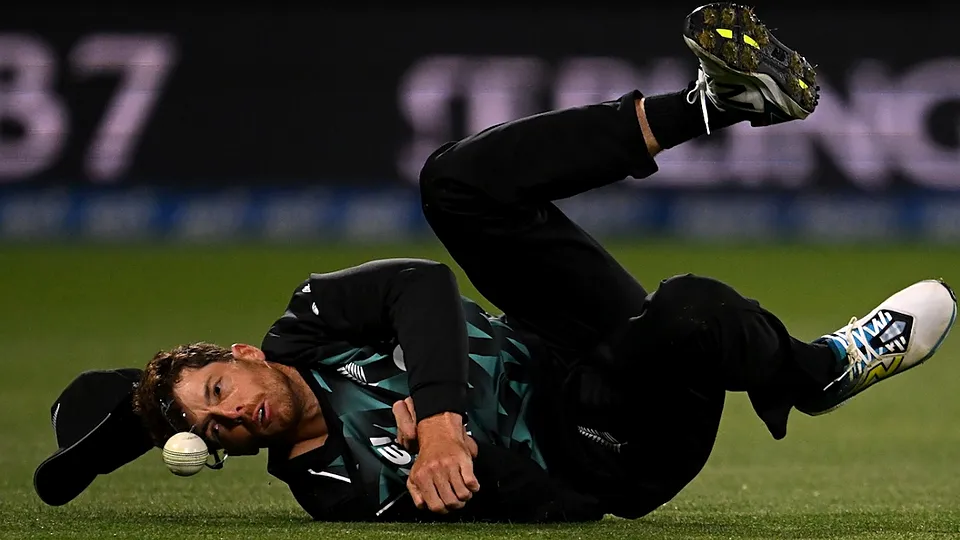
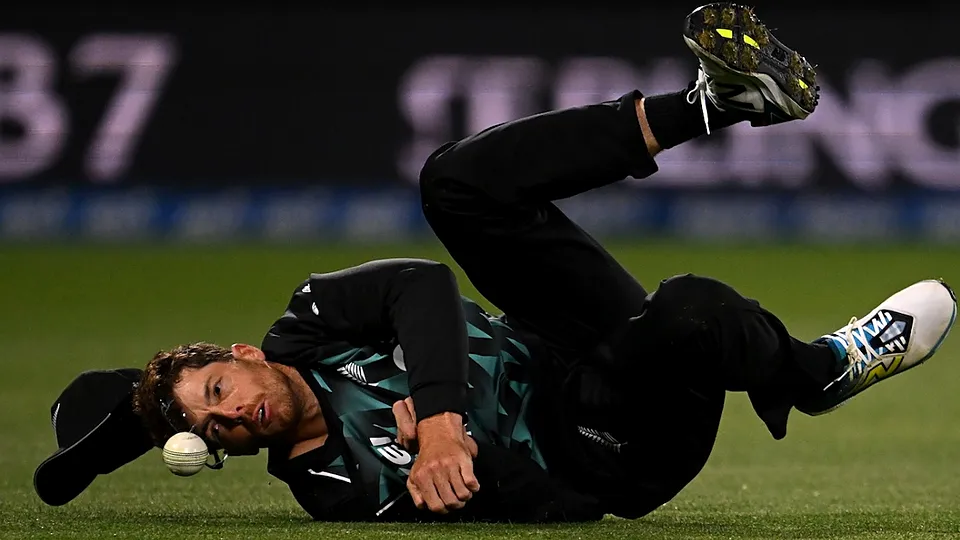
Tom Santner, the New Zealand captain, didn't hide it in the post-match presser. He admitted the team was in a "very good position" until their own hands let go of the baton. Dropped catches at deep midwicket. Misfields at long-on that turned singles into boundaries. The boundary-percentage of the ground played a role, yes, but the execution in the infield was clumsy. Nobody in the dugout bought the excuse about the pitch reversing. The fielding failed first.
The Middle-Overs Choke: A Pattern, Not A Phase
Look at the data from the last three IPL T20s involving wrist-spin pairs. Left-right batting combinations against a spin attack thrive when the fielding circle is tight. New Zealand had a tight circle for the first 10 overs. Then, the fatigue set in. The Impact Player gamble usually saves teams in the death overs, but this was a pre-dew, middle-overs collapse. The wrist-spinners had skiddy hard length sorted, but the fielders weren't tracking the ball with the usual urgency.
Consider the pre-toss Playing XI dilemma Santner faced. He picked a balanced side. No obvious mistake there. The error was in the mental reset at 70 for 5. When the anchor batters fell, the replacements didn't find their feet against the bowling into the pitch. But more importantly, the fielders stopped running. A simple stop at third man, missed by half a stride, is the difference between a wicket and a four. That half-stride is the killer detail.
Why the 'Small Stuff' Ruins Big Strategy
We talk about auction strategies and fantasy stacks. We talk about the Goa casino live tables online where fans check their luck on odds. We ignore the grass. The dew. The tired legs. The small stuff. It changes games quickly. India chased 181 because New Zealand let them. Not because the chasing side was superior in will, but because the chasing side had one more thing to lose, and the leading side had one more thing to drop.
- The 70 for 5 fall was not the turning point. The turning point was the boundary conceded off the wide yorker in the 14th over.
- Impact Player substitutions: New Zealand's swap did not add firepower. It added confusion in the fielding rings.
- Left-right batting pairs: India utilized the gap between the spinners. New Zealand failed to cross-bowl or adjust the off-side ring.
The Ranji grind mentality doesn't apply here. This is T20. It is about aggression. New Zealand tried to bowl it out. They tried to control. Control, on a skiddy track, is a lie. You have to take the ball out of the hands of the batsman by dropping, not just bowling.
The Fantasy Angle: Value in the Under
For the fantasy strategist reading this, the lesson is clear. Do not just buy the batters who hit the boundary. Buy the fielders who save the economy run rate. A drop catch is a negative value. A misfield is a negative negative. In the IPL auction, these skills are undervalued because the stats don't capture the "almost" wicket. They capture the run conceded. But the run conceded is the tip of the iceberg.
India’s recovery from 70 for 5 was not just about runs. It was about pressure. When the Kiwis dropped the catch at square leg, the pressure flipped. The dew was setting in. The hard pitch was getting softer. The wrist-spinners lost their grip. The fielders lost their composure. It is a spiral. You start falling, you fall faster. New Zealand started falling at 70 for 5. They hit the ground at the chase.
Santner’s rue is honest. He knows the team played well on paper. But paper doesn't field. Legs field. And their legs, in the final ten minutes, gave up the ghost. The small stuff—the half-stride stop, the soft hands, the lack of urgency—did the killing. In cricket, as in any high-stakes game, the margin of error is zero. You don't get a second chance to hold the ball. You just hold it. Or you don't. And when you don't, you check your Goa casino live tables online for the odds you should have taken. But you didn't. You dropped the ball. Now you watch the recovery.
Related coverage
- Abhishek’s Manifested Century Caps T20 Sweep; Goa Casino Live Tables Online Draw Parallel
- ‘It’s scary how Indian women players’ power game has: What the Numbers Mean for Goa Casino Live Tables Online

Updated 2026-10-28 · Instant Rupee Deposits & 60s Withdrawals · 24/7 Support.
Access Official TravelCafe Portal →IPL Auction & Fantasy Strategy Editor · Kolkata Desk
Yash Banerjee has tracked IPL auctions, T20 toss trends, and fantasy combinations since 2016. From Kolkata, he oversees TravelCafe's live match previews and goa casino live tables online guides.
Reader Discussion & Match Reactions (4)4.8★ Community (4 Comments)
Verified Indian cricket reader perspectives & tactical debate on travelcafeinc.com
Bhai, Santner's dropped catch at deep midwicket was sheer embarrassment. India fighting hard for 14 off the final over was paisa vasool, but those clumsy misfields at long-on totally ruined our chances of a proper win.
For fantasy purposes, note the middle-overs choke pattern here. Wrist-spin pairs crushed left-right batters when the circle loosened up, meaning spin-heavy lineups in death overs carry high scoring value against this specific fielding fatigue.
The tactical disconnect is glaring: a tight 10-over circle suddenly becoming useless due to poor tracking. The 7-run buffer was solid, but ignoring the skiddy hard length with relaxed infield placement is a dangerous pre-dew mistake by the NZ setup.
@Rohit_Paltan99 Agreed, that dropped catch changed the momentum instantly. The data shows New Zealand held 174 for 6, so when the fielding slipped on those singles turning into boundaries, it wasn't just bad luck but a strategic failure in execution.