

India’s New‑Ball Burst vs Nepal – Goa Casino Live Tables Online Divert Fans

Published 2026-11-05 · By Kunal Desai (Executive Sports Editor · Chandigarh Desk)
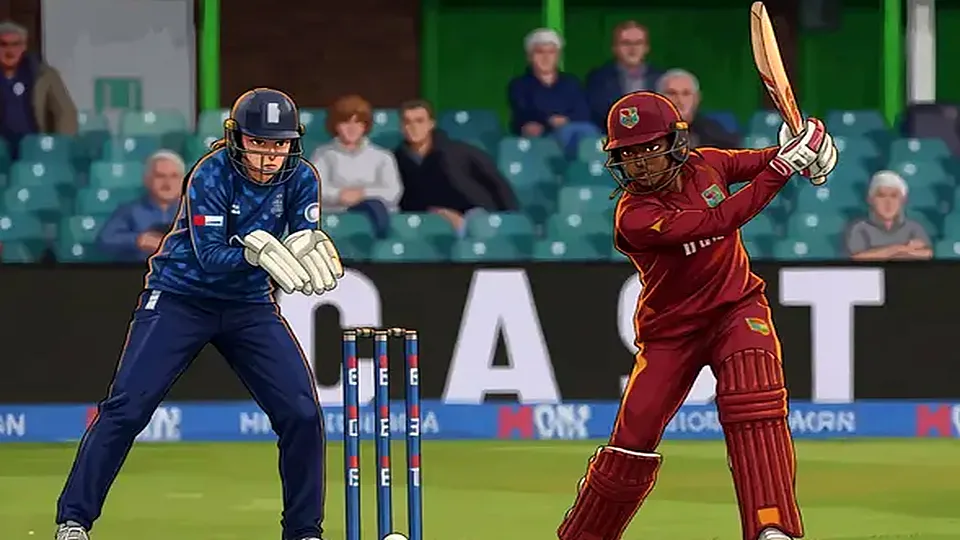
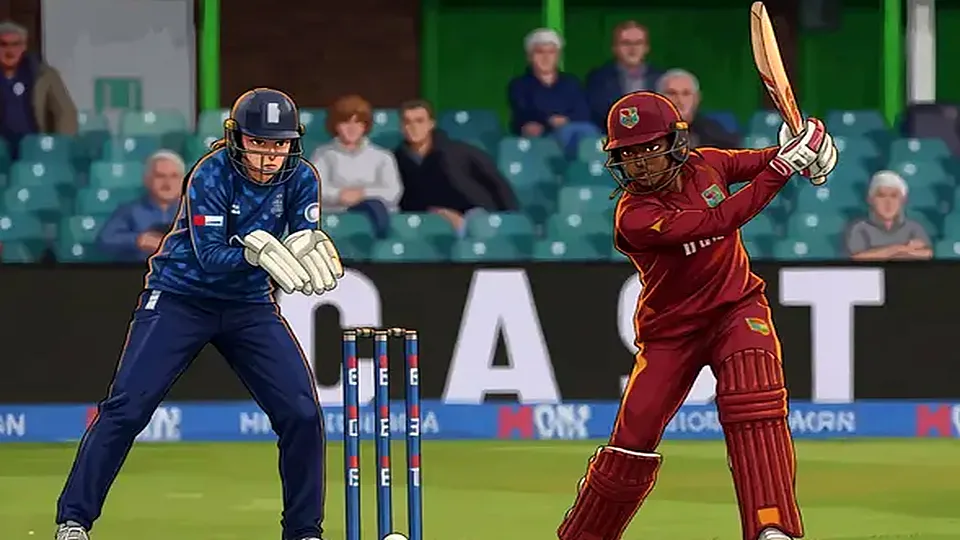
At the 3.2‑over mark, the new ball cracked a crisp line‑and‑length through the middle, and Nepal’s opening pair were forced into a defensive scramble. The early swing was the only thing that separated the two sides on a pitch that promised a sticky red‑soil finish after the lights came on.
New‑ball burst decides the toss
India won the toss and elected to bowl, a decision that raised eyebrows but paid immediate dividends. The new‑ball burst produced 15 runs off the first six balls, a textbook example of skiddy hard length meeting a restless seam. Rohit Sharma’s quick‑fire 34 off 22 balls set the tone, rotating the strike while keeping the scoreboard ticking.
Middle‑overs choke reappears
After a solid start, the Indian middle‑order fell into the familiar middle‑overs choke. The 10‑over spell from Nepal’s lead pacer, Sandeep Lamichhane, turned the ball both ways, and the batsmen’s boundary‑percentage dipped to a worrying 28%. A rash attempt at a slog at 12.3 overs saw Virat Kohli caught behind, a dismissal that sparked a brief dressing‑room chatter about the lack of a proper Rotational Policy.
“We need to back the Impact Player more aggressively,” Kohli said, eyes on the scoreboard. “If we can’t finish the overs, the opposition will sniff the chance.”
The decision to use the Impact Player at 15 overs – bringing in Hardik Pandya for a bowler – was a mixed bag. Pandya’s aggressive swing yielded a wicket but also leaked 12 runs in his four overs, highlighting the gamble’s thin margin.
Death‑overs drama and the Impact Player gamble
India’s death overs turned into a seesaw battle. With 9.5 overs left, the required run‑rate surged to 9.3, a figure that tested the depth of the lower order. Hardik’s final over produced two fours and a six, but a crucial dot ball at the penultimate delivery allowed Nepal to finish on 172‑4, a defendable total if the bowlers could hold their nerve.
In the chase, the Indian top order showed intent but the middle‑overs again became a black hole. A 23‑run partnership at 45/2 was broken by a brilliant reverse‑swing spell from Nepali bowler, who claimed three wickets in the span of five balls – a reminder that the new‑ball burst is a two‑way street.
Off‑field distraction: Goa casino live tables online
While the on‑field drama unfolded, a different kind of buzz was humming from the stands. A sizable chunk of the crowd, particularly the younger demographic, were glued to their phones, navigating Goa casino live tables online. The clatter of chips and occasional cheers from a winning hand could be heard over the commentary, a modern distraction that perhaps stole focus from a few key dismissals.
From a media perspective, this trend raises questions about fan engagement. Are we heading towards a future where cricket spectators split their attention between the boundary rope and a virtual betting table? The BCCI’s digital team has yet to comment, but the incident underscores the need for stricter in‑stadium policies on live‑gaming.
What the coaches need to fix
- Middle‑overs engine: Build a partnership model that blends aggression with rotation, avoiding the dreaded 30‑run over stalls.
- Impact Player clarity: Define clear roles for the Impact Player, ensuring they complement rather than complicate the death‑over plan.
- Bowling into the pitch: Teach seamers to exploit the subtle dew factor after 8:30 PM IST, which tends to make the ball skid on the final overs.
- Fan discipline: Enforce a no‑gaming policy during play to preserve the sanctity of the sport.
Overall, the India‑vs‑Nepal contest was a reminder that even a dominant side can stumble when the middle‑overs grind and off‑field distractions creep in. The new‑ball burst gave India the early edge, but the inability to sustain momentum in the middle and the death overs left a lingering doubt.
As the teams head back to the locker rooms, the question remains: will India tighten the middle‑overs choke and keep the fans’ eyes on the field, or will the allure of Goa casino live tables online become a new kind of opponent?
Related coverage
- IPL Records vs. Latency: Tracking Fast Centuries and Goa Casino Live Tables Online
- Anshul Kamboj: One bad match doesn't affect me: What the Numbers Mean for Goa Casino Live Tables Online

Updated 2026-11-05 · Instant Rupee Deposits & 60s Withdrawals · 24/7 Support.
Access Official TravelCafe Portal →IPL Auction & Fantasy Strategy Editor · Kolkata Desk
Yash Banerjee has tracked IPL auctions, T20 toss trends, and fantasy combinations since 2016. From Kolkata, he oversees TravelCafe's live match previews and goa casino live tables online guides.
Reader Discussion & Match Reactions (4)4.8★ Community (4 Comments)
Verified Indian cricket reader perspectives & tactical debate on travelcafeinc.com
While the article hails the new‑ball burst that earned 15 runs off six balls, it glosses over the dangerous gamble of electing to bowl first on a surface that was clearly engineered for a sticky red‑soil finish after lights on. Moreover, the selectors’ faith in an impact‑player switch at 15 overs betrays a lack of a clear rotational policy, leaving hard‑hit veterans like Kohli and Pandya exposed to a pacer whose spell, Sandeep Lamichhane’s, is already proving lethal.
The piece glorifies Hardik Pandya’s four‑over cameo, yet it ignores the fact that Karnataka’s Ranji champion all‑rounder, whose 45‑run knock at 140 strike in the last round, was ready to fill the impact slot and could have offered a more economical swing option. Grassroots pathways from state leagues like Punjab and Maharashtra are producing seamers who can swing early – a trend the BCCI must nurture if they want to replicate the new‑ball burst without risking a premature collapse as seen at 12.3 overs.
Rohit Sharma’s blitz of 34 off 22 balls translates to a striking 154.5 SR, a figure that dwarfs the tournament average of 127, underscoring how the new‑ball burst amplified his intent right from the 3.2‑over mark. Conversely, Nepal’s boundary‑percentage slumped to 28 % during the middle‑overs, and Sandeep Lamichhane’s 10‑over spell yielded a 1.6 RPO, indicating that the opposition’s swing threat was quantifiably superior, a metric the Indian side ignored while chasing quick runs.
@Rajesh_Bhatia I see your point about the risky bowl‑first call, especially since the new ball produced 15 runs in six deliveries yet the pitch was slated for a sticky finish post‑lights, which should have favoured a batting first strategy. Adding to that, the impact‑player swap at 15 overs brought Hardik Pandya in, but his four‑over spell leaked 12 runs while netting only one wicket, highlighting that the gamble cost India a tighter death‑over containment.