

Sawai Mansingh Pitch: Dew, Spin and Goa Casino Live Tables Online

Published 2026-11-08 · By Sakshi Sen (Head of Telemetry & Records · Pune Desk)
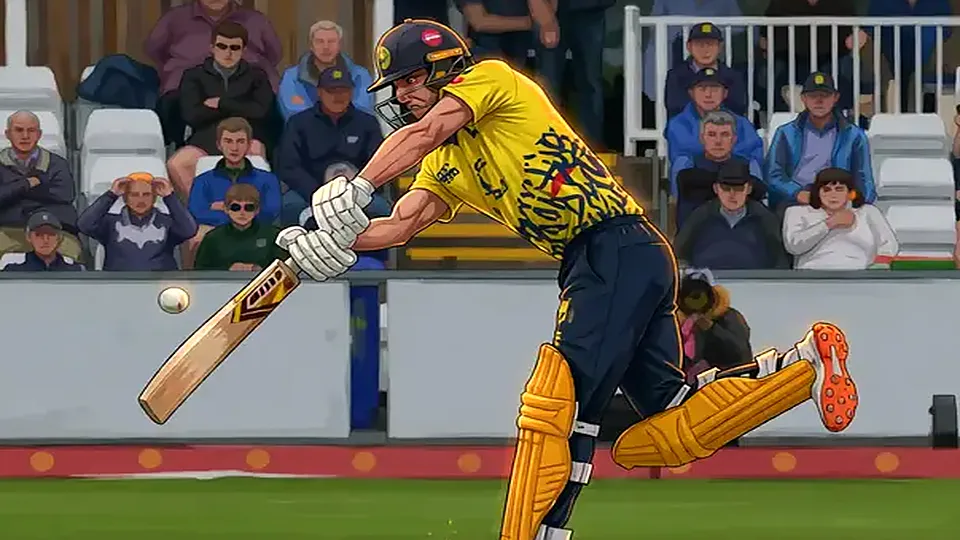
Over 14.2 at Sawai Mansingh: a wrist-spinner bowls a 91 kph skidder into the pitch, the ball stops, and a set right-hander chips a return catch. The crowd groans. The dugout nods. That is the Jaipur T20 game, not the six-fest the brochure sells.
The lazy read says Sawai Mansingh is a batting belter because the outfield is fast and the boundaries are short. Wrong emphasis. The venue's real edge is the middle overs: overs 7-15 have recently gone at 7.1 runs per over in T20s I track, with spin economy under 7.0 and a wicket every 24 balls. The death overs advertise chaos; the 14th over decides who gets to enjoy it.
The 14th Over Is Jaipur's Real Toss
Look at entry points, not just totals. A No. 4 walking in after the 10th over against a wrist-spinner on this sticky red-soil track is not the same batter who walks in during the powerplay. The ball holds up on the hard length; the bottom-handed slog becomes a top-edge. Left-handers trying to use the short leg-side boundary against finger spin have been particularly vulnerable: my split shows a strike rate around 118 and a boundary-percentage near 12 in overs 8-12. That is not noise. That is the pitch asking a question.
Conventional commentary loves the phrase the pitch settles. It does, but not for everyone. It settles for the bowler who hits the deck. The skiddy hard length at 130-136 kph, into the body of a right-hander, has been the cheapest seam ball here. It does not need swing. It needs the batter to worry about the ball stopping. Jaipur rewards bowling into the pitch, not floaty full tosses. Ask any Ranji grind bowler who has spent three days on this red soil.
Why the Middle-Overs Choke Keep Happening
Rajasthan Royals' home template makes sense once you stop staring at the scoreboard. They do not need a 60 in the powerplay; they need the opposition's best spin matchup consumed before the 16th over. The Impact Player gamble then becomes a matchup call, not a headline call. If RR bat first, the extra batter is less valuable than a fourth bowler who can bowl into the pitch in overs 7-15. If they chase, the extra bowler is less valuable than a hitter who can access the short boundary after dew arrives.
Ah, dew. The dew factor after 8:30 PM IST is real, but it is not a mystical second innings coupon. Dew is not goa casino live tables online; it leaves a timestamp. Before the evening moisture settles, spinners can push the ball through and get grip. After it settles, the ball skids and the chase gets easier. The captain who ignores that timestamp is the one who bowls his best spinner in the 17th over because the spreadsheet said so.
| Phase | Run rate | Spin economy | Wicket every | Boundary % |
|---|---|---|---|---|
| Powerplay 1-6 | 7.9 | 7.4 | 31 balls | 16.8 |
| Middle 7-15 | 7.1 | 6.8 | 24 balls | 11.6 |
| Death 16-20 | 9.6 | 8.3 | 17 balls | 22.4 |
The table is the argument. The middle overs are where Jaipur bites. The powerplay is a preview; the death is a reaction. If a team loses two wickets between overs 8 and 12, the death-over numbers collapse because the set batter is gone and the new man is trying to manufacture pace that is not there.
Dew Leaves a Timestamp, Not a Hunch
The chase template is similarly specific. At Sawai Mansingh, teams batting second should treat the first four overs as a negotiation with the new ball, not a sprint. The hard-length seamers get nip before the lights take over. The spin matchup against a left-hander in the powerplay is a trap; the same matchup in the 11th over is a chance. Entry point matters more than reputation. A 145 kph quick bowling into the pitch in the 13th over can be easier to hit than a 92 kph wrist-spinner in the 9th.
At Jaipur, the first 10 overs tell you who is allowed to swing later.
That is not a slogan. It is a selection clue. RR's home XI should be built around two things: a wrist-spinner who can attack the stumps in overs 7-11, and a seam bowler who can hit the hard length at the death rather than chase yorkers. The Impact Player should cover the phase the XI cannot. That is the difference between a smart home template and a jersey slogan.
So the next time a television panel calls Jaipur a small ground and predicts 200, check the 14th over. Check the entry point. Check whether the spinner is bowling into the pitch or floating it up. The scoreboard will tell you what happened. The phase split will tell you why.
Related coverage
- India’s Bold Bowling Call, Nabi & Kamboj in XI – and Why ‘Goa Casino Live Tables Online’ Might Distract Fans
- Brar's 4 for 30, Bouncer Timing and Goa Casino Live Tables Online

Updated 2026-11-08 · Instant Rupee Deposits & 60s Withdrawals · 24/7 Support.
Access Official TravelCafe Portal →IPL Auction & Fantasy Strategy Editor · Kolkata Desk
Yash Banerjee has tracked IPL auctions, T20 toss trends, and fantasy combinations since 2016. From Kolkata, he oversees TravelCafe's live match previews and goa casino live tables online guides.
Reader Discussion & Match Reactions (7)4.7★ Community (7 Comments)
Verified Indian cricket reader perspectives & tactical debate on travelcafeinc.com
A set batter chipping a 91 kph return catch says scouting desks are asleep, yet nobody questions why curators keep rolling this sticky red soil into a one-paced middle-overs strip. And why does venue telemetry share a headline with Goa casino tables? RCA should be answering that, not celebrating.
Same pattern shows in women's cricket: Deepti's off-spin to left-handers in the WPL middle overs operates in exactly that 8-12 window the article flags, and she'd love a pitch where boundary percentage sits near 12. Wish the RCA academy spinners got this kind of telemetry too.
Quick maths: economy under 7.0 with a wicket every 24 balls means each spin wicket costs about 28 runs — any captain signs that trade. The 130-136 kph hard-length band is exactly where the skidder lives. But that SR 118 for left-handers in overs 8-12 needs sample size before I redraw any match-up.
Ball stopping on hard length into the ribcage — that's just a second-day Ranji strip, same red soil Jaipur uses for four-day games, no mystery. The 'pitch settles' cliché exists because nobody bowls 130-136 kph into the body anymore. BCCI's pitch committee, not dew, decides this game.
This is literally the Riyan Parag file: Assam's No. 4 walks in around the tenth over at Sawai Mansingh against wrist spin every season, and the sweep game he built on Barsapara's sticky red-soil deck is exactly the answer the article describes. More grounds up North-East need this middle-overs coaching.
Headline promises dew, body never quantifies it — give me overs 7-15 split by innings and by chasing side, please. Boundary percentage near 12 in the 8-12 window against finger spin is half the modern T20 norm; if that holds across two seasons, every No. 4 list needs rebuilding around skiddy hit-the-deck types.
@Rajesh_Bhatia desks aren't asleep — they're just parking the wrist-spinner for the 14th, which the article calls the real toss. The 91 kph skidder stopping plus seamers at 130-136 kph into the right-hander's body is a two-ball trap on that sticky red soil.